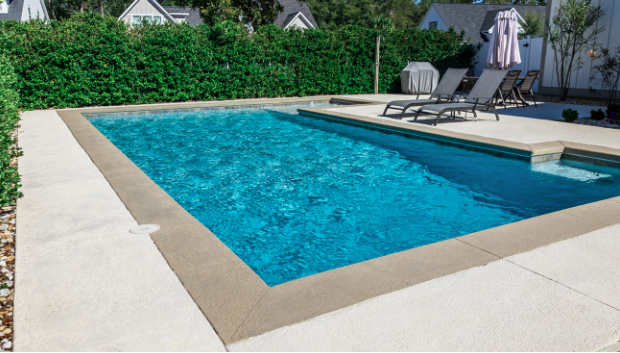
Owning a pool offers relaxation, recreation, and a private escape—but it also comes with ongoing responsibility. A sparkling, healthy pool doesn’t maintain itself; it requires consistent attention, smart planning, and the right balance of chemicals, equipment, and care.
Whether you’re managing a backyard oasis or a commercial swim facility, understanding the key factors of pool maintenance can make all the difference in keeping the water clean, safe, and inviting year-round.
Water Chemistry and Balance
The heart of pool maintenance lies in mastering water chemistry. Keeping the right pH, chlorine levels, alkalinity, and calcium hardness isn’t just about appearance—it’s about safety and system health. When the pH is too high or low, it can cause skin irritation, corrosion of pool surfaces, or cloudy water.
Low chlorine can lead to bacteria and algae growth, while too much can create an unpleasant swimming experience. Regular testing, either with home kits or professional services, ensures that the water stays balanced and safe. Chemical fluctuations can happen quickly due to rain, heat, or heavy pool use, so checking levels at least once a week is ideal.
Filtration and Circulation Systems
Your pool’s filtration system is its silent workhorse, constantly cycling water through filters to remove dirt, debris, and microscopic particles. When the filtration or pump system isn’t functioning properly, even the cleanest-looking water can become a breeding ground for bacteria.
Make sure filters are cleaned or replaced on schedule, and keep an eye on the pressure gauge—if it’s too high, it’s time to clean the filter. In addition to filtration, good circulation keeps water moving, preventing dead zones where algae or bacteria can grow. Run the pump for at least 8–12 hours a day during peak swimming season to ensure even chemical distribution and water clarity.
Debris Control and Skimming
Leaves, insects, and dirt are inevitable, especially if your pool is located near trees or open landscapes. Daily skimming with a net removes surface debris before it sinks to the bottom, where it becomes harder to clean and can affect water balance.
Installing a pool cover when the pool isn’t in use can greatly reduce debris accumulation. Regular vacuuming, whether manual or with an automated pool cleaner, is also essential for keeping the pool floor and walls free of build-up.
Seasonal Maintenance and Weather Impact
Pools are vulnerable to weather shifts, especially in climates with distinct seasons. In warmer months, algae growth accelerates, and UV rays can break down chlorine faster, requiring more frequent chemical checks.
In colder regions, preparing your pool for winter by lowering the water level, adding antifreeze, and covering it properly can protect it from damage and simplify the reopening process in spring. Transitioning between seasons with care ensures your pool lasts longer and stays in peak condition throughout the year.
Professional Services and Equipment Checks
Even the most diligent pool owner can benefit from periodic professional inspections. Pool maintenance services can handle deep cleaning, detect early signs of equipment failure, and recommend upgrades to improve efficiency. Regular servicing of pumps, heaters, and filtration systems prevents small issues from turning into expensive repairs.
If your pool is used frequently or shared by multiple people, professional input becomes even more important for health and safety. Maintenance services also ensure compliance with local safety regulations, particularly for commercial or rental properties.