
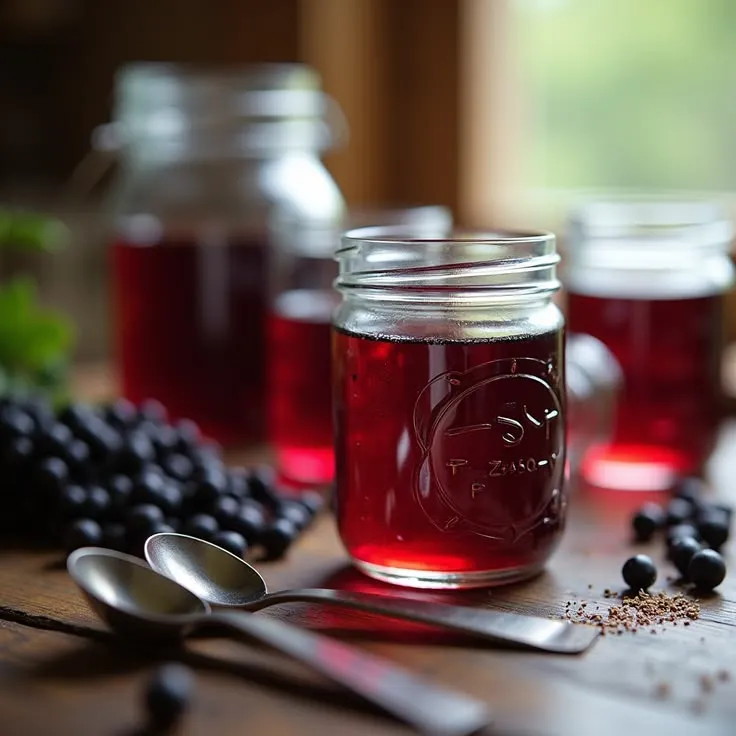
A red shade can look simple until acidity enters the formula. Developers working with Red cabbage concentrate need to think about pH, heat, water content, and the other ingredients already present. In acidic foods, plant pigments can shift in tone, so a sample viewed on its own may not tell the full story. FoodRGB lists red cabbage and elderberry among options for red-to-purple applications. Testing each source in the complete recipe helps teams see which one fits the product more naturally before production begins at scale.
Red Cabbage Works Best in Acidic Systems
FoodRGB describes its red cabbage color as water-soluble and available in powder, liquid, and custom formulations. The company gives a preferred pH range of about 3.0 to 5.0 and notes shades moving from red toward fuchsia as pH changes. It also lists strong acid, light, and heat resistance within those conditions. That profile makes red cabbage worth testing in beverages, juices, confectionery, frosting, frozen drinks, cocktails, and mocktails where an acidic formula already supports the pigment’s natural behavior during processing and storage.
Elderberry Brings a Warmer Red-Purple Range
Elderberry Color offers another route when the target sits between vibrant red and warm purple. FoodRGB lists black elderberry extract as water-soluble and available in 5% and 10% powder forms, with a preferred pH range of about 2.5 to 4.5. The site describes it as useful in strongly acidic applications and resistant to light and heat, while its FAQ makes an important distinction: the color is heat resistant rather than fully heat stable. That difference deserves close attention during product trials in practice.
pH Is More Than a Number
Both red cabbage and elderberry contain pigments whose appearance is influenced by acidity, so pH should be measured in the finished recipe rather than assumed from the base alone. Fruit acids, flavor systems, minerals, and sweeteners can all change the final environment. A small adjustment may shift the visible shade enough to matter. Developers can prepare side-by-side samples at realistic pH levels and then compare them after all major ingredients are added. This gives a clearer answer than choosing a color from a swatch or simple water test.
Heat Testing Needs Context
Heat data is useful, but the production line still needs to confirm the result. Red cabbage is presented by FoodRGB as heat-stable in its preferred acidic range, while black elderberry is described more cautiously as heat-resistant. A hot-filled beverage, baked filling, gummy, and frozen drink all experience different time and temperature conditions. The practical test is to run the selected color through the real process, allow the product to cool or set, and then compare the shade again. That reveals whether the pigment fits the manufacturing route.
Applications Can Look Very Different
The same pigment can appear brighter in a clear drink and softer in an opaque confectionery or fruit preparation. Solids, cloudiness, proteins, and other ingredients change the way light passes through the product, which changes how color is perceived. FoodRGB lists overlapping uses for red cabbage and elderberry, including beverages, confectionery, juice, cocktails, mocktails, and frozen applications. Elderberry is also listed for fruit preparations, seasonings, pickled vegetables, and jelly. These options are starting points, not substitutes for testing the finished formulation under realistic commercial conditions.
Storage and Packaging Finish the Trial
A color that looks right immediately after processing still has to make it through storage and distribution. Light exposure, oxygen, temperature, and packaging can all influence how a red or purple shade develops over time. A clear bottle is not the same as an opaque bag, and a frozen or chilled foodstuff is a different issue. Keeping samples from pilot batches and reviewing them at predetermined intervals allows you to see a progressive fading or change in tone. Shelf testing is especially useful when two pigments perform similarly during the first production trial.
Conclusion
Red cabbage and elderberry can both provide attractive red-to-purple options for acidic foods, but their working ranges and heat behavior are not identical. Red cabbage performs particularly well around pH 3.0 to 5.0, while elderberry is positioned for roughly pH 2.5 to 4.5 and should be treated as heat-resistant rather than fully heat-stable. Manufacturers can use foodrgb.com to review both systems and technical support. The best choice comes from testing the complete recipe through processing, packaging, and realistic storage before commercial approval.
